
Strengthening Our Network Across Asia
An inside look at how we evaluate a prospective university partner, and what happens in the weeks after both sides sign.
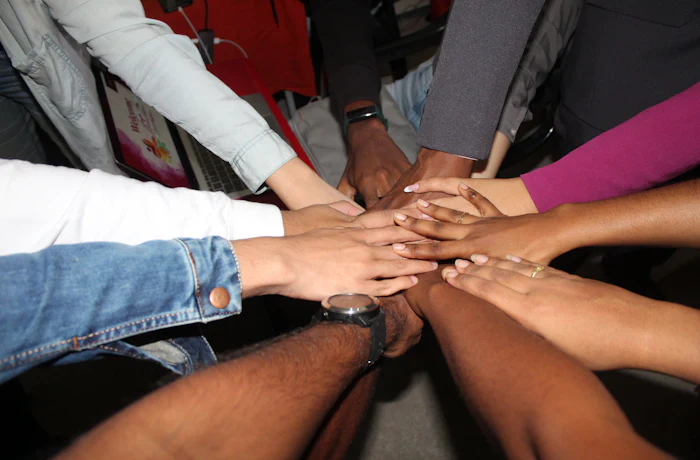
Not every university that wants Indian applicants gets to work with AEC Studies. We turn down more partnership conversations than we accept — because the trust our name carries with families in Kerala took over two decades to build, and every institution we represent draws on that trust. Here's how we decide who we work with, and how a new partnership actually gets off the ground.
What we look at before saying yes
- Recognition and accreditation. Is the institution properly recognised by the relevant authority in its own country, and does its curriculum meet the duration and clinical-exposure standards that matter for NMC recognition on the medicine side?
- Track record with Indian students. Has the university successfully hosted Indian students before, and do those students' outcomes — screening-exam pass rates, graduation rates — hold up?
- Transparency on fees. We look for partners willing to put complete, itemised costs in writing, because vague fee structures are one of the most common sources of family disputes later.
- Support infrastructure. Hostel standards, safety arrangements, and a genuine international-student support office — not just a marketing page that mentions one.
Due diligence, not just a sales call
Where possible, our evaluation includes direct conversations with current or former students, a review of official recognition documents, and — for new relationships — a structured trial period before either side commits to a long-term agreement. This is deliberately slower than simply adding a university to a marketing list, and it's the main reason our partner network has grown steadily rather than rapidly.
Onboarding: what happens after the agreement is signed
- Terms and intake targets are formalised, including fee structure, scholarship availability (if any), and each side's responsibilities.
- Our counselling team is briefed on the program specifics, eligibility requirements, and any country-specific documentation, so families get accurate answers from day one.
- Marketing materials are prepared and reviewed with the partner before any public representation begins.
- A reporting cadence is agreed — typically covering application volume, conversion, and any issues that need joint attention — so the relationship stays a two-way conversation rather than a one-time handoff.
Our current regional focus
Our active partner network spans China, Kyrgyzstan, and a small number of institutions further afield, reflecting where Indian demand for MBBS, BDS, nursing, business and engineering programs is strongest right now. We evaluate new regions as family interest shifts, rather than expanding into a country just because a university approaches us — see our full Partner Universities page for who we currently work with.